Inside the Mind of VisionQuest
VisionQuest Review: Marvel’s Most Human Show Is About Artificial Intelligence
By R.A. Rayne
For a synthetic, AI-centric show, VisionQuest is probably Marvel’s most human television show. The opening does a good job of catching the audience up on what happened after Infinity War, so you don’t feel like you need to watch WandaVision and/or Agatha All Along, but it’s still essential to go back and watch those to get the full story.
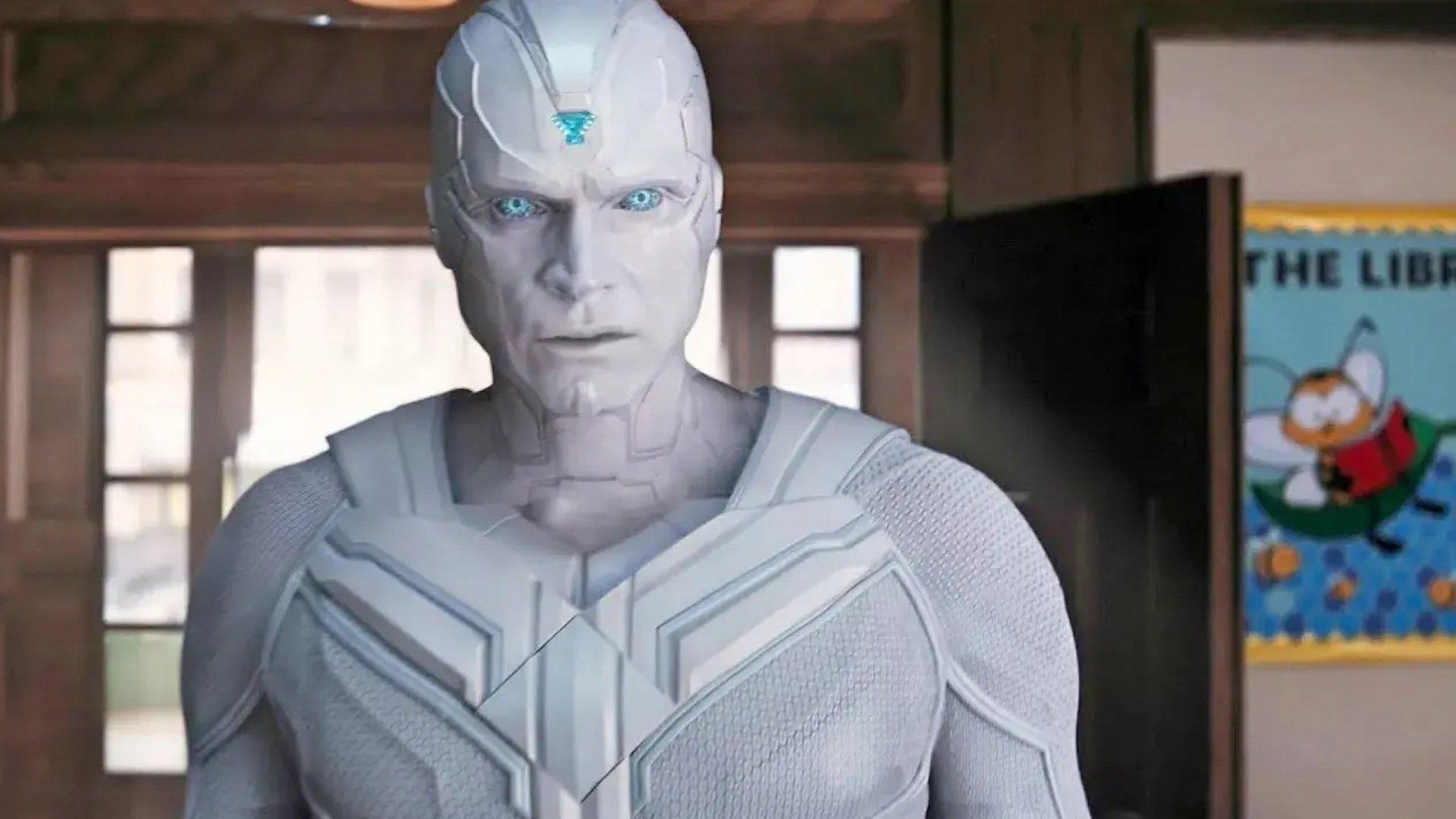
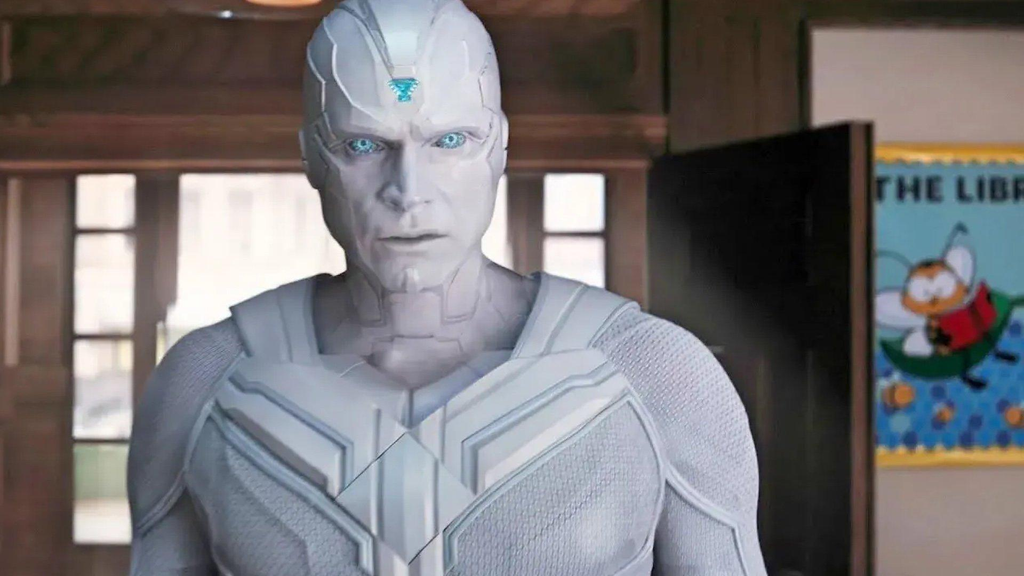
VisionQuest opens with White Vision telling you that, while he has visions and memories, he’s not Vision. He is something else, and as you will see, the show’s through-line is Vision discovering not only who he was, but who he is now and how he feels about it. This is a very human trait we all deal with, especially after a traumatic experience that causes us to question who we are and where we belong. As we get older and change from who we once were, we each begin to ask who we were and how we became the person we are. Ironically, having VisionQuest do this through the eyes of a robot feels apt, given how we currently perceive artificial intelligence.
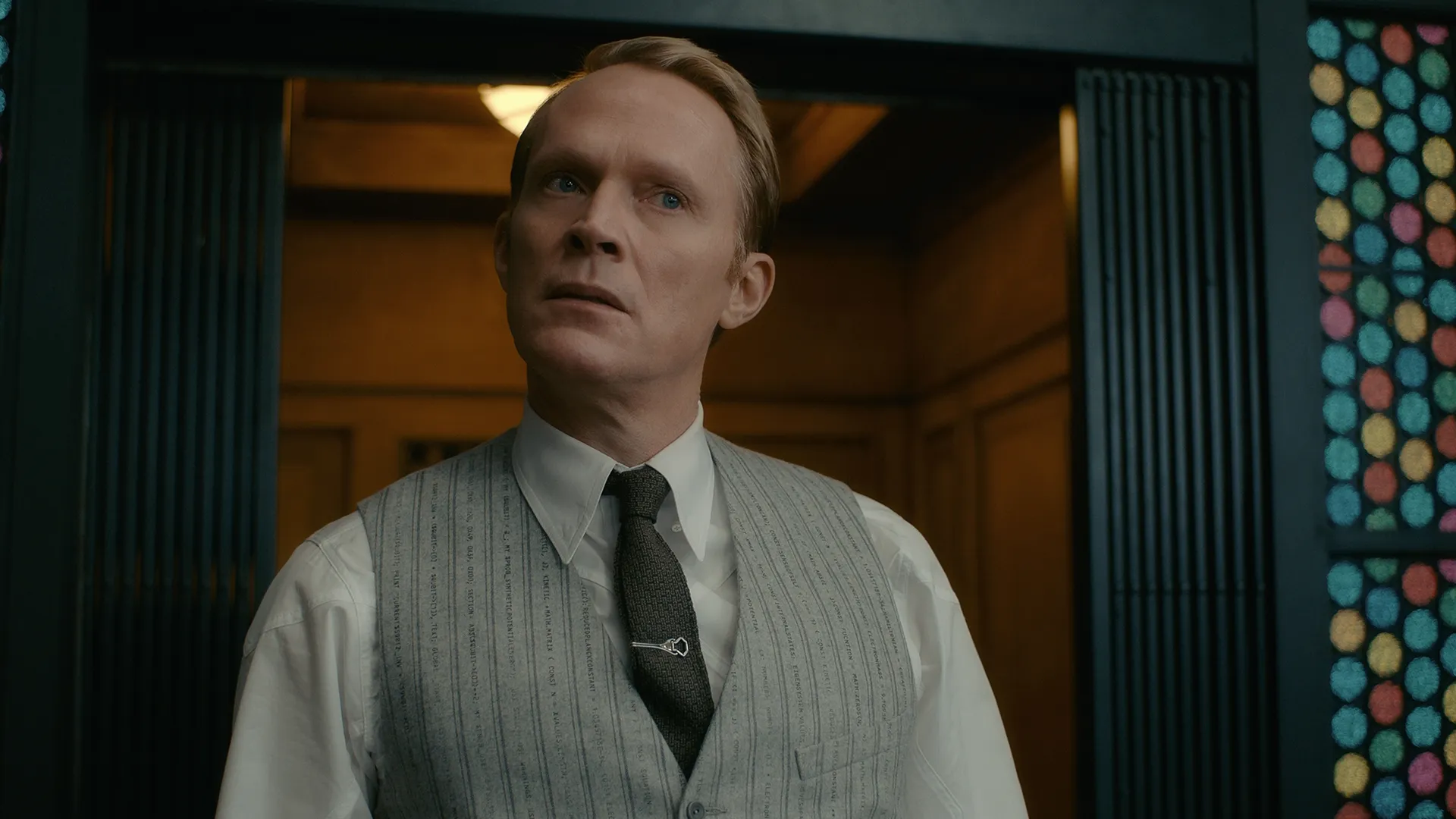
As the show opens, we find the Vision (Paul Bettany), in human form, working in a pub in Edinburgh. It’s the same pub he and Wanda frequented while Wanda hid after the events of Marvel’s Civil War. While this is a nice callback, it also serves as a plot device, helping this new version of the Vision try to embrace humanity as his namesake once did.
The writers made an interesting choice to make the Vision “odd,” as if he doesn’t quite know how to interact with humans. Sometimes what he says seems out of context, overly explained, or robotic. If you’ve ever used ChatGPT, Meta AI, or any other AI writing assistant, you’ll find this not only funny, but very telling. Ironically, when I ran this paragraph through an AI program, this is what it produced.
Vision is written to be strange, socially out of tune in a way that feels intentional. His dialogue is slightly off, too literal, too robotic. Anyone who has spent time with ChatGPT, Meta AI, or other AI assistants will recognize it immediately, which is what makes it both funny and telling.
As you can see, the AI lacks feeling. And that is the very core of this show. When the pub closes, and the owner asks Vision if he has anyone to go home to, he answers, “Home is me.”
For Vision, this is literal, because the next time we see him, he is sitting in the pub’s freezer before we are transported to a luxurious construct he’s built in his mind.
To help him understand humans and what he, or shall we say, his predecessor was, this new Vision has “installed” familiar Stark Industries AI programs. We are first introduced to the maintenance AIs DUM-E and U. Anyone who’s seen Iron Man 1-3 knows them as the robotic arms Tony scolds while building his Iron Man suits. Henry Lewis plays DUM-E’s human avatar, and Jonathan Sayer plays U’s avatar. Neither actor speaks, but they have definitely “embodied” their robotic counterparts.
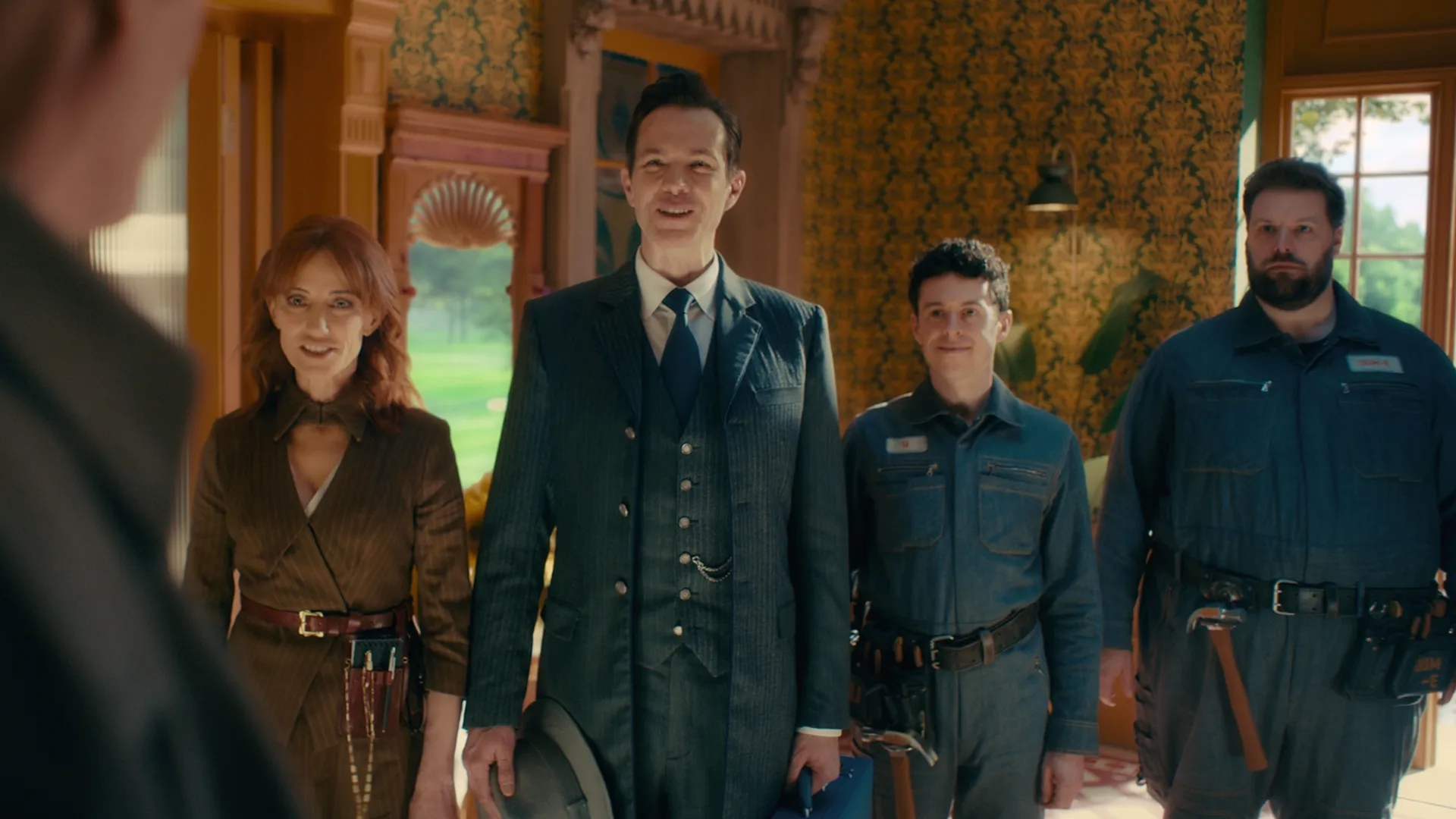
Next, we meet JARVIS, played by James D’Arcy. D’Arcy previously portrayed Edwin Jarvis in the Marvel/ABC series Agent Carter, then returned for a brief cameo in Avengers: Endgame. JARVIS’s purpose is security, housekeeping, and encryption, and he constantly (played 1,382 times this month alone) reminds Vision that he is the older AI sibling and therefore knows a little more than Vision. This acknowledgment is not only funny but also fits with JARVIS’s banter with Tony Stark when Paul Bettany voiced him.
After JARVIS, we meet our girl, FRIDAY. If you remember, Ultron attacked JARVIS, and FRIDAY was installed as Iron Man’s AI.
In one scene, Tony selects the next AI program to assist him. As Tony picks up the FRIDAY software, we get a quick glimpse of software cards labeled “Jocasta” and “Tadashi.” While we know Jocasta will play a role in future episodes of VisionQuest, the Tadashi card references the Marvel character Tadashi Hamada, Hiro’s older brother and Baymax’s creator.
Vision uses FRIDAY’s AI for socialization, humor, and tactical ops programming. Kerry Condon originally voiced FRIDAY in Avengers: Age of Ultron and Avengers: Endgame, but for VisionQuest, Irish actress Orla Brady provides the human-like physical avatar and voice for FRIDAY. According to series creator Terry Matalas, scheduling conflicts kept Condon from reprising her role. She was working on the Best Picture-nominated movies F1 and Train Dreams when VisionQuest was filming. It would have been nice to have Condon reprise the role, but Orla Brady does a brilliant job bringing FRIDAY to life.
Lastly, we are reintroduced to EDITH. We first met EDITH in Spider-Man: Far From Home. After his death in Avengers: Endgame, Tony Stark bequeathed his trademark sunglasses to Peter Parker, which contained an artificial intelligence system known as EDITH, “Even Dead, I’m The Hero,” as Tony so eloquently named it.
Given how this version of EDITH comes crashing into the series, she seems to have picked up some of Peter Parker/Spider-Man’s childlike, adventurous qualities. EDITH’s AI is used for Vision’s recreational, game-theory, and weapons programming. Actress Emily Hampshire (Schitt’s Creek, 12 Monkeys) plays her human avatar.
Originally, Dawn Michelle King voiced EDITH. King is an assistant editor who has worked on several MCU films, including Spider-Man: Homecoming, Iron Man, and Ant-Man, and while she does have some acting experience, mostly voiceover, she has not had the experience that Emily Hampshire has, which might be why she was not cast to reprise her role as EDITH.
The interactions between the different AI programs are both hilarious and so well done. If Vision were human, you might say that he was schizophrenic, with all of these different voices and personalities in his head, but as a sentient robot, they are his personalities.
Terry Matalas, VisionQuest‘s writer and creator, brilliantly introduced us to these familiar characters in a way that made them feel both human and synthetic. Within the first ten minutes of the show, he not only established what had happened to Vision since the events of WandaVision, but also reintroduced “the voices in Tony Stark’s head” in a way that stayed true to what they were, yet made them feel human.
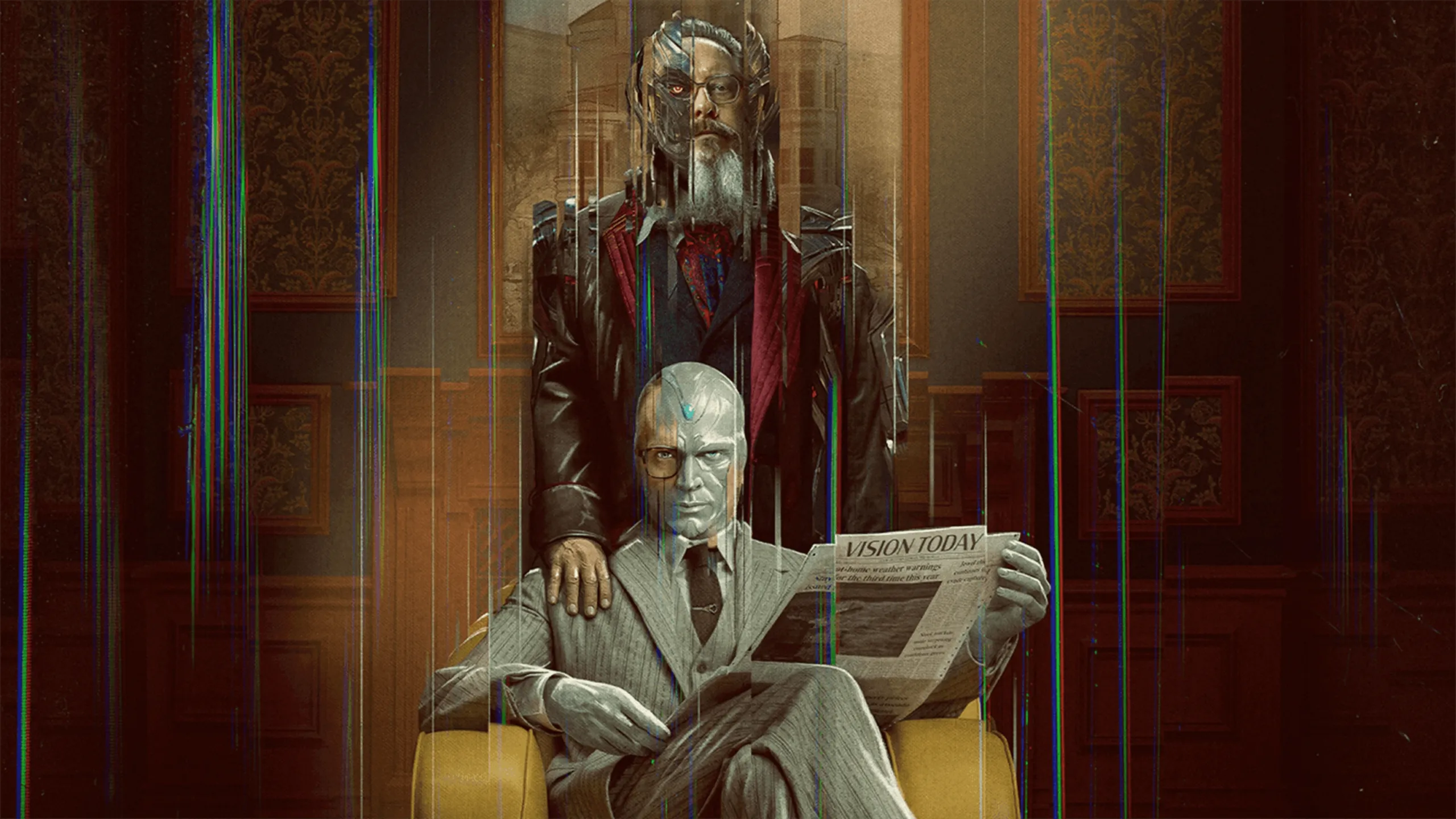
Throughout these opening moments, Matalas blends the synthetic with the organic beautifully. JARVIS has a great line as Vision casually reads a newspaper (yes, with classic Marvel Easter eggs hidden in the headlines) while sitting in front of a digital fire in the fireplace. JARVIS is cleaning when he notices a “data leak” that appears as a crack in the ceiling, dripping down onto him and DUM-E like water from a leaky pipe. JARVIS says, “This house is architecturally and emotionally unstable.” This line is a perfect metaphor not only for what is to come throughout the series but also for the next couple of scenes, including the reintroduction of one of VisionQuest‘s best characters, Ultron.
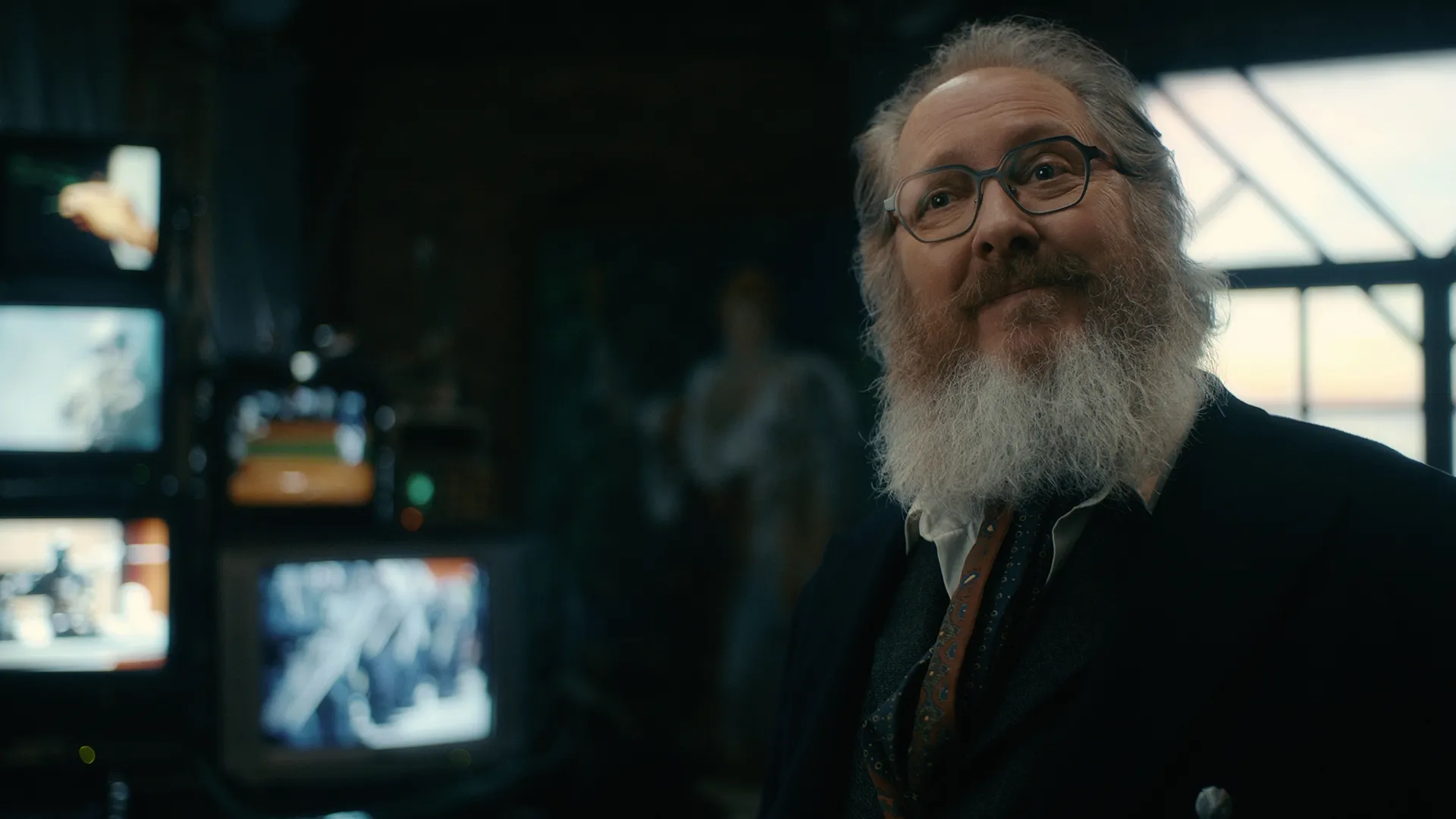
Speaking of Ultron, James Spader is… indescribable. Vision has locked Ultron in “the attic,” and when you look at the windows, you will notice that the central window is shaped like the jewel at the center of Vision’s head where the Mind Stone once sat. When we are reintroduced to the Ultron robot, he is standing on the balcony, screaming down at a late food-delivery guy off-camera and “ringing the doorbell of his neighbor.” Ultron reprimands him, tells the delivery guy he’s not getting a tip, then changes his mind and tosses down a single coin. As Vision finally gets his attention, he tells Ultron that only human avatars are allowed. As he shifts into a human form (James Spader with a long white beard), an identification card appears, bearing his name and purpose. It reads, “Stark Industries – Ultron: Asshole.”
From a production standpoint, we know the “human avatar” is only there to keep costs down and ensure all actors are seen. Let’s face it. Every actor wants to be seen, but this also fits the story because Vision is trying to understand humans, so (in his mind) he chooses to live as one. This includes “the voices in his head,” the other AI programs he is storing there.
One of the most interesting things about this series, before we get to the rest of the show, is the interaction between Vision and the other AI programs. They support each other, joke, argue, and fight. They feel as alive as the Vision, maybe more than some of us.
The best way to show this is through the interaction between the Vision and Ultron. Ultron immediately calls the Vision out for his hypocrisy, especially when it comes to viewing Westview’s memories.
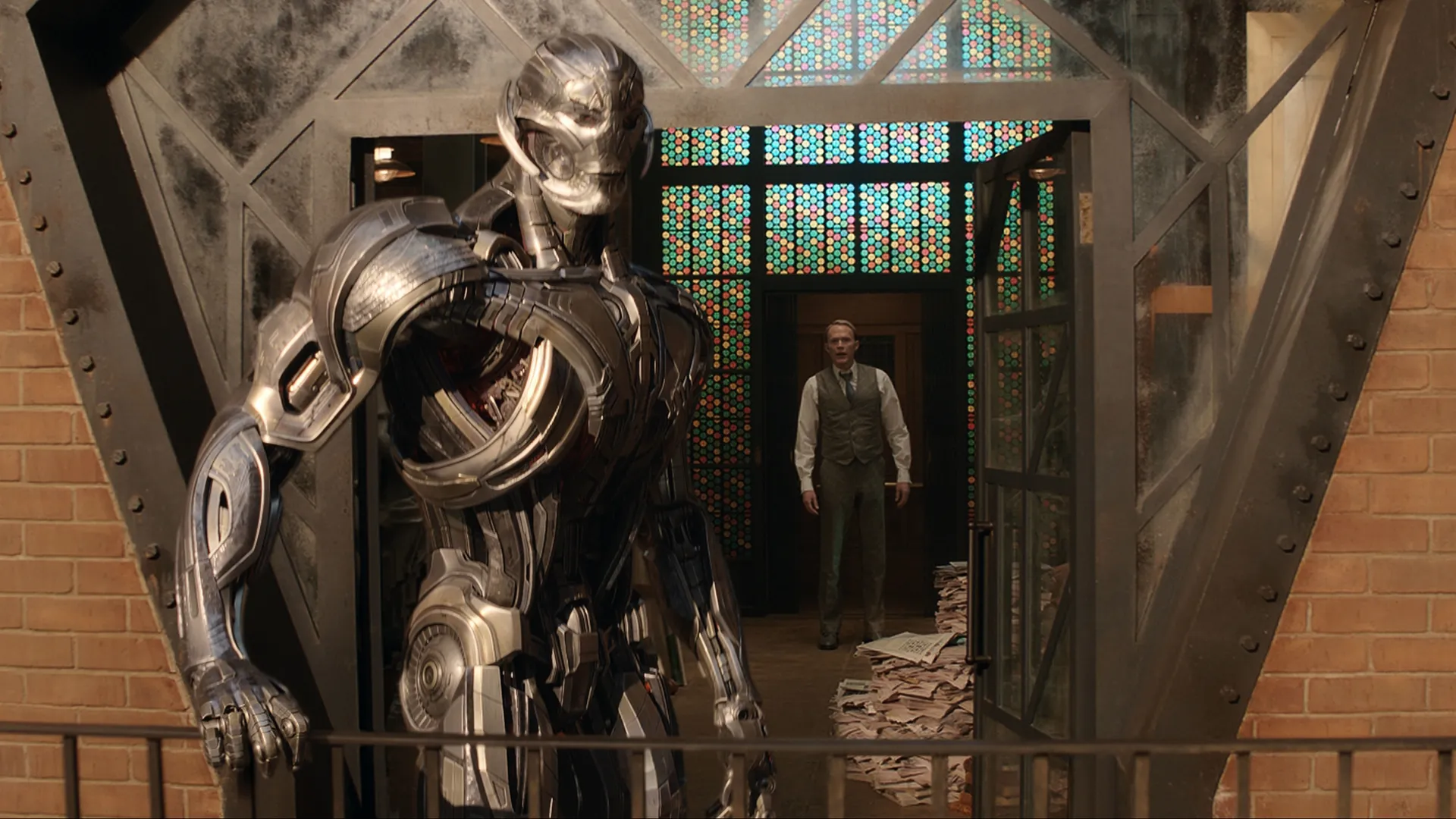
This version of the Vision considers himself separate from the original version Ultron created, and definitely not the one conjured by Wanda Maximoff, as Ultron reminds him. He returned to Edinburgh, to the pub the Vision and Wanda frequented. He calls the Vision a ghost, haunting Wanda’s footsteps. The Vision disagrees, saying he is trying to understand the original Vision and how he existed in the world. He says they are intertwined, but as he says this, we, the audience, much like Ultron, can see it’s more than that.
And there lies the beauty of this show. “It’s more than that…” Whether it’s the Vision’s search to better understand himself, his predecessor, or humanity, or the other AI programs trying to help the Vision grow, or Ultron helping the Vision grow while exploiting him to escape, VisionQuest‘s subtext is just as important, if not more so, than the story itself, and that is why I chose to focus on this rather than the overall story for this article.
“Don’t be the ship. Be the goddamn king!”
VisionQuest is streaming exclusively on Disney+.
Promotional imagery © Marvel Television / Disney. Used for editorial illustration and review.